
Buying a Used Rainbow Vacuum: A 15-Minute Inspection Checklist
Rainbow® cleaning systems have a habit of outliving the households that bought them. They turn up at estate sales, in local classifieds, in an aunt's basement behind the Christmas decorations — usually with plenty of working life still in them. So we get asked this a lot: is this one worth buying?
A used Rainbow can be a genuinely smart purchase. It can also turn into a project you didn't sign up for. The difference almost always comes down to fifteen unhurried minutes with the machine before any money changes hands. Here is what we would look at.
Work Out Which Machine You're Actually Looking At
Sellers frequently don't know, and listings are often wrong. "Rainbow vacuum" spans several decades of design: the D-series ran through the 1990s, the e SERIES™ followed it, and the SRX is the current generation. This is the first thing to pin down, because nearly every wear part — belt, filter, separator, gaskets, water pan — is specific to a generation, and sometimes to a version within one.
Useful clues: SE molded into the top handle points to a D4C SE, and an e SERIES marking puts you in the E family. Beyond that, find the model and serial plate on the main unit — and note that the power nozzle carries its own, since nozzles get swapped over the years. Photograph both. You'll want them when you order parts.
Start With the Water Side
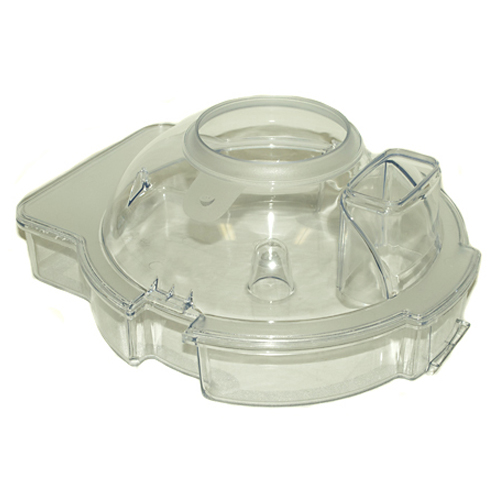
Pull the water pan out and look at it in good light. What you're hoping to see is a pan that has been emptied and rinsed after every use. What you sometimes find instead is the signature of a machine that got put away wet: a stubborn musty smell, a chalky ring of mineral scale, or a slick film on the walls.
Smell is the most honest indicator you have. A faint dampness will wash out. A deep, sour odor means moisture sat in there for a long stretch, and it has usually worked into the separator and the housing too. Fixable, but budget time for it.
Then check the pan for hairline cracks, especially around the neck and handle, and look at the sealing gasket where the pan meets the main unit. A tired gasket lets air bypass the water, which quietly costs you both filtration and suction.
Listen to the Motor, Then Look at the Separator
Ask the seller to run it — with water in the pan, at the fill line, the way it's meant to be run. A healthy Rainbow motor is loud but even. What you're listening for underneath that is anything that doesn't belong: a rising bearing whine, a dry rattle, a rhythmic scrape, or any hesitation as it comes up to speed. Motor work is the one repair that can outrun the value of a bargain machine, so this is the moment to be picky.
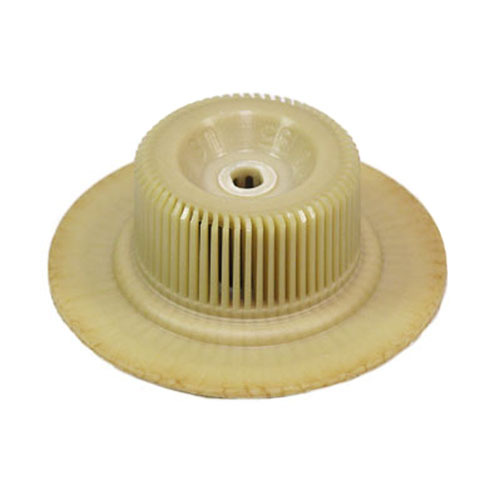
With it switched off, take the separator off and inspect it. It should spin freely and true, with clean fins and no chips or caked-on residue. One that wobbles, drags, or comes off gummy tells you two things at once: the machine wasn't cleaned regularly, and its filtration hasn't been working at full strength for a while.
Check the Power Nozzle, Hose, and Cord
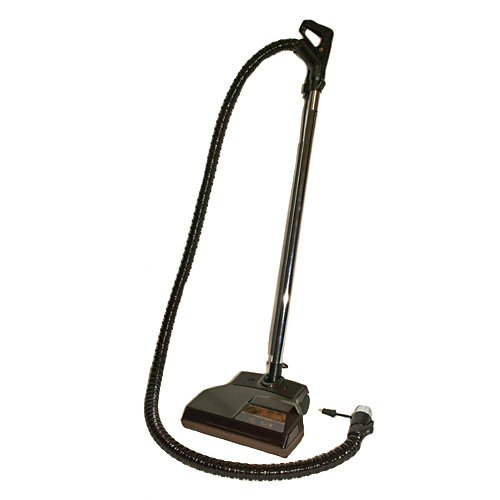
Plug the hose in and confirm the brush roll actually turns. If it doesn't, the cause may be as cheap as a stretched belt or as involved as a break in the electrified hose wiring — worth knowing which before you negotiate. Roll the brush by hand to feel for rough bearings; hair wound around it is normal and easy to clear.
Then flex the hose slowly along its whole length while listening for crackling, and run your fingers down the power cord looking for nicks, taped repairs, or a bent plug. Wiring is where an otherwise sound old machine most often needs attention.
What's Missing Costs More Than What's Broken
This is the trap that catches first-time secondhand buyers. A main unit alone is not a cleaning system. Wands, the floor brush, the crevice tool, the dusting brush, the attachment caddy, the power nozzle itself — replacing an incomplete set piece by piece adds up faster than people expect. Before you agree on a price, lay out everything that's included and compare it honestly to a machine that arrives complete.
Finally, treat any private-party machine as an as-is purchase and plan on refreshing the routine wear items right away: a fresh filter, a new belt, a clean separator, a good gasket. That small investment gets a neglected Rainbow performing like itself again.
When you're ready for those parts — or you'd rather have a technician look the machine over first — we're glad to help at RainVac. Bring your model and serial numbers and we'll make sure you get the right pieces for the machine you actually have.
Need parts, accessories or a repair?
RainVac stocks genuine Rainbow® parts and accessories, and our technicians service every model.